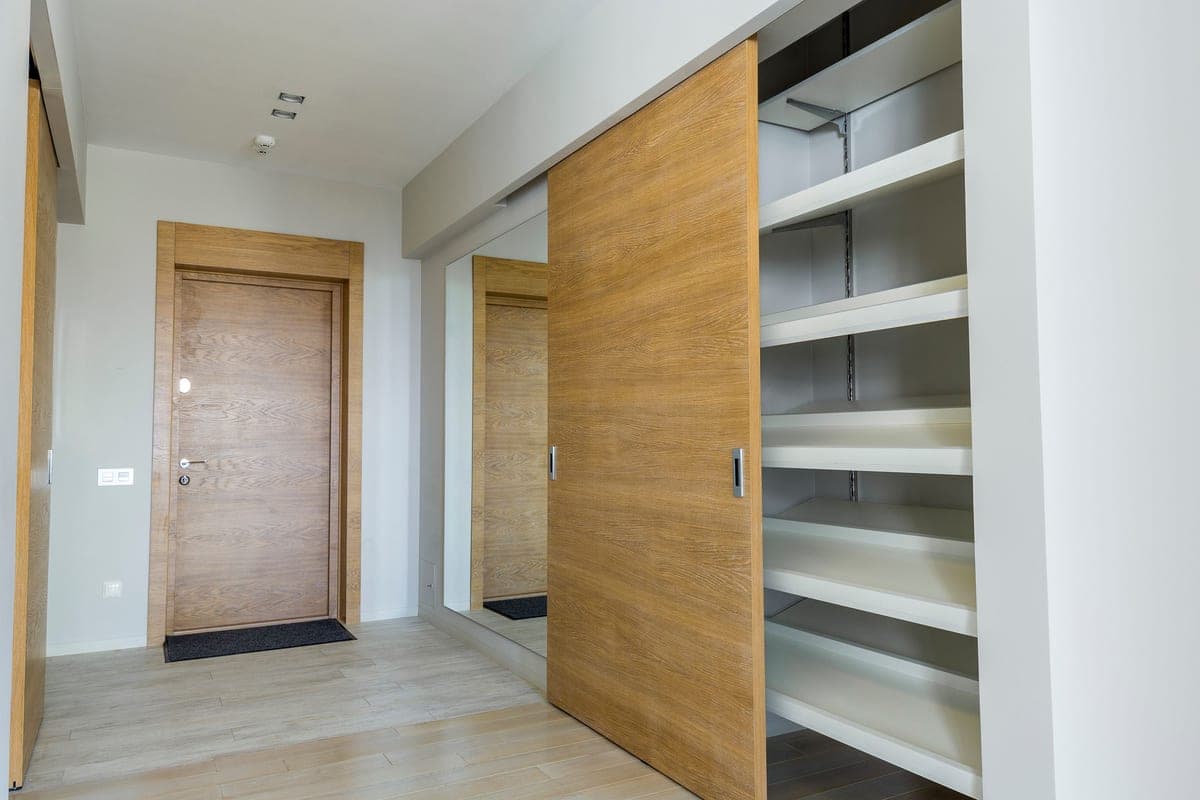
Guide
Reach-in closet dimensions
Standard depth, rod heights, double-hang spacing and shelf clearance, with the reason 24 inches is the number.
01
The numbers that decide whether a thing fits and whether it holds. Sourced to the manufacturer's own documentation, with the arithmetic shown.

02
Almost every returned closet or pantry part is a fit problem, not a quality problem. The shelf was too deep for the door, the container was taller than the shelf gap, the under-shelf basket did not match the shelf thickness, the rod spanned further than its supports allow. This section publishes the numbers that prevent all of that, compiled from manufacturers' own installation manuals and specification sheets, with the arithmetic shown.
It exists because nobody else publishes it. We surveyed the pages currently ranking for the money terms in this category and not one of them leads with dimensions, spans, spacing or load ratings — while the questions people actually type are "reach in closet depth", "pantry shelving spacing", "how to cut closet wire shelf" and "what is the strongest closet rod". This is that gap, filled.
| Question | Answer | Where it comes from |
|---|---|---|
| How deep is a standard reach-in closet? | 24 in | Standard US residential practice |
| How high should a single closet rod be? | 66 to 68 in | Standard practice |
| Double-hang rod heights? | Lower about 40 to 42 in; upper 70 to 84 in | Standard practice |
| Maximum wire-shelving standard spacing? | 24 in apart, and no more than 4 in from the shelf end | ClosetMaid ShelfTrack Installation Tips |
| Closet rod support spacing? | Every 36 in, plus each end | ClosetMaid SuperSlide specification |
| ClosetMaid published load? | About 83 lb per bracket; up to 1,000 lb per system | ClosetMaid Wire Shelving Specifications |
| Rubbermaid rail rating? | 1,750 lb, with the rail beginning and ending on a stud | Rubbermaid FastTrack Installation Guide |
| Elfa published load? | 200 kg per section; 40 kg per shelf | elfa.com, Weight and security |
| Best pantry shelf depth? | 12 in for cans and boxed goods; 12 to 16 in generally | Dimensions.com pantry storage depths |
| Pantry shelf spacing for cans? | About 7 in | Dimensions.com pantry storage heights |
| IKEA PAX depths? | Two only: 35 cm and 58 cm | IKEA PAX product specifications |
Every figure is attributed to the document it came from. Where a manufacturer does not publish something, the page says so rather than estimating it.
Every wall-mounted load rating in the table above is conditional on the fixings reaching studs, and the manufacturers say so in their own documents. ClosetMaid asks for at least three screws into studs in the hang track and three in the middle standards. Rubbermaid requires its rail to begin and end on a stud and states that maximum capacity is not achievable at 24 inch stud spacing. Elfa says studs are not necessary but increase capacity.
A load rating is a statement about an installation, not about a product. That is the single most useful thing in this section and it is the thing no buying guide in this category mentions. The full comparison is on shelf span and weight.
If the closet is an empty alcove rather than an existing layout, start instead with building a simple closet, which is the same figures arranged as a sequence of decisions. And once it is built, drawers vs shelves covers what belongs in each.
We have not installed, loaded or handled any of these systems, and we do not claim to have. What we did is compile the published specifications from the manufacturers' own installation manuals and spec sheets, attribute every figure by document name, and do the fit arithmetic in the open so you can check it.
That is a smaller claim than "we tested twenty closet kits", and it is a claim we can actually stand behind. Where a figure is not published anywhere we could verify, the page says "not published by the manufacturer" and moves on, rather than filling the gap with an estimate. The full method is on how we pick.
03
Guide
Standard depth, rod heights, double-hang spacing and shelf clearance, with the reason 24 inches is the number.
Guide
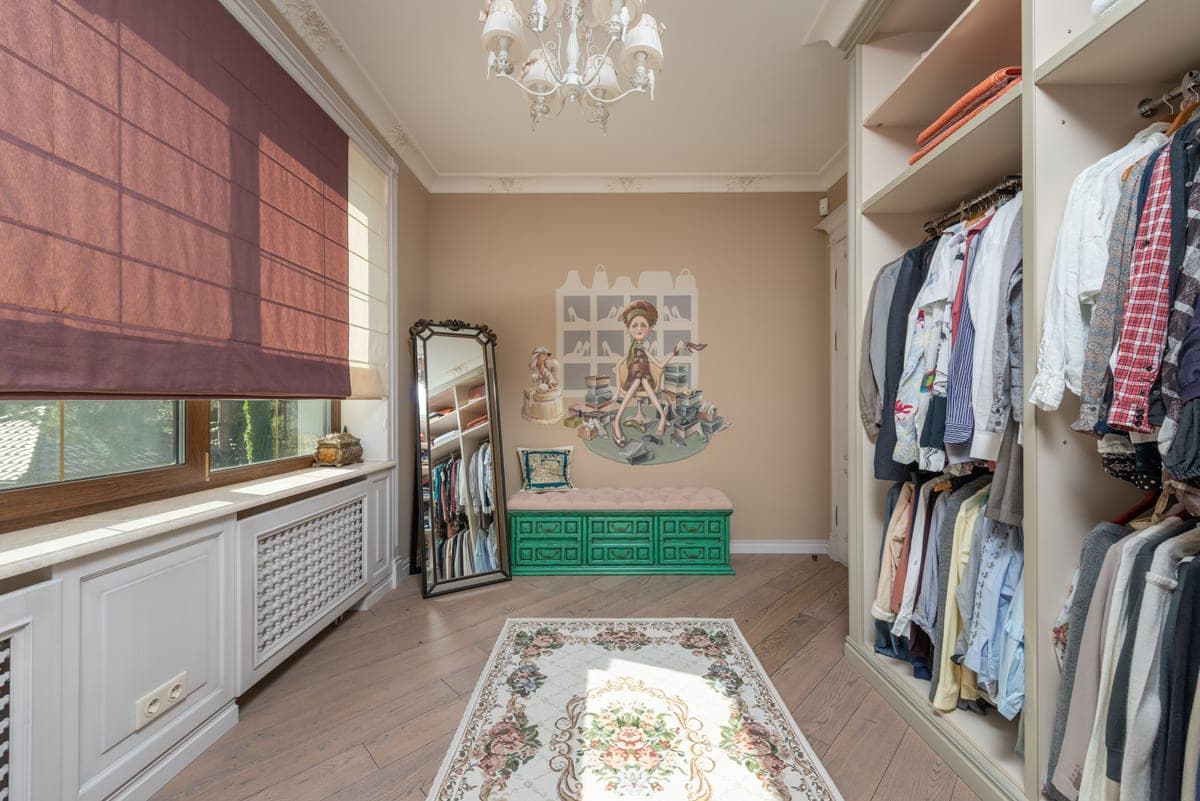
The depth threshold where a reach-in becomes a walk-in, and the square footage a walk-in spends on standing room.
Guide
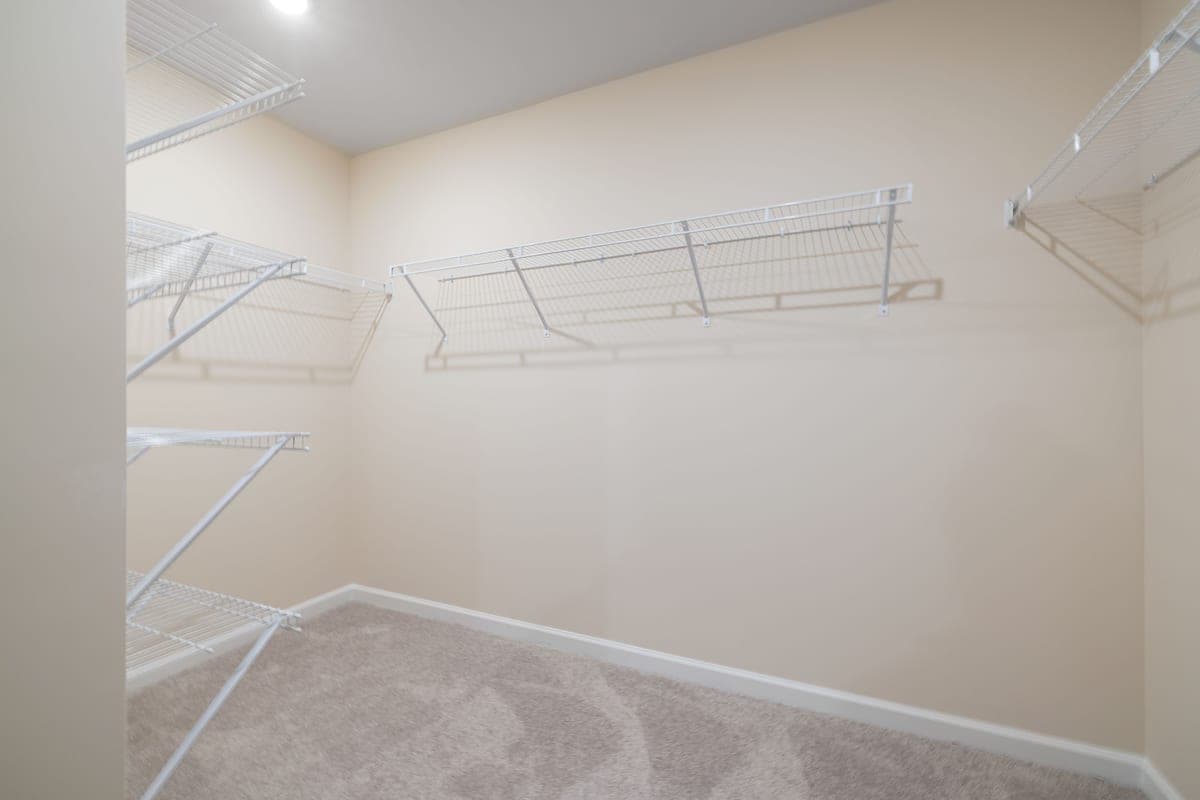
Published load ratings from ClosetMaid, Rubbermaid, Elfa and Seville Classics, with the stud conditions each one depends on.

Guide
The install sequence in the manufacturer's own order, including the screw count the published load rating depends on.

Guide
Which tool to use, where to cut relative to the cross wires, and how to finish the ends so they do not snag clothing.
Guide
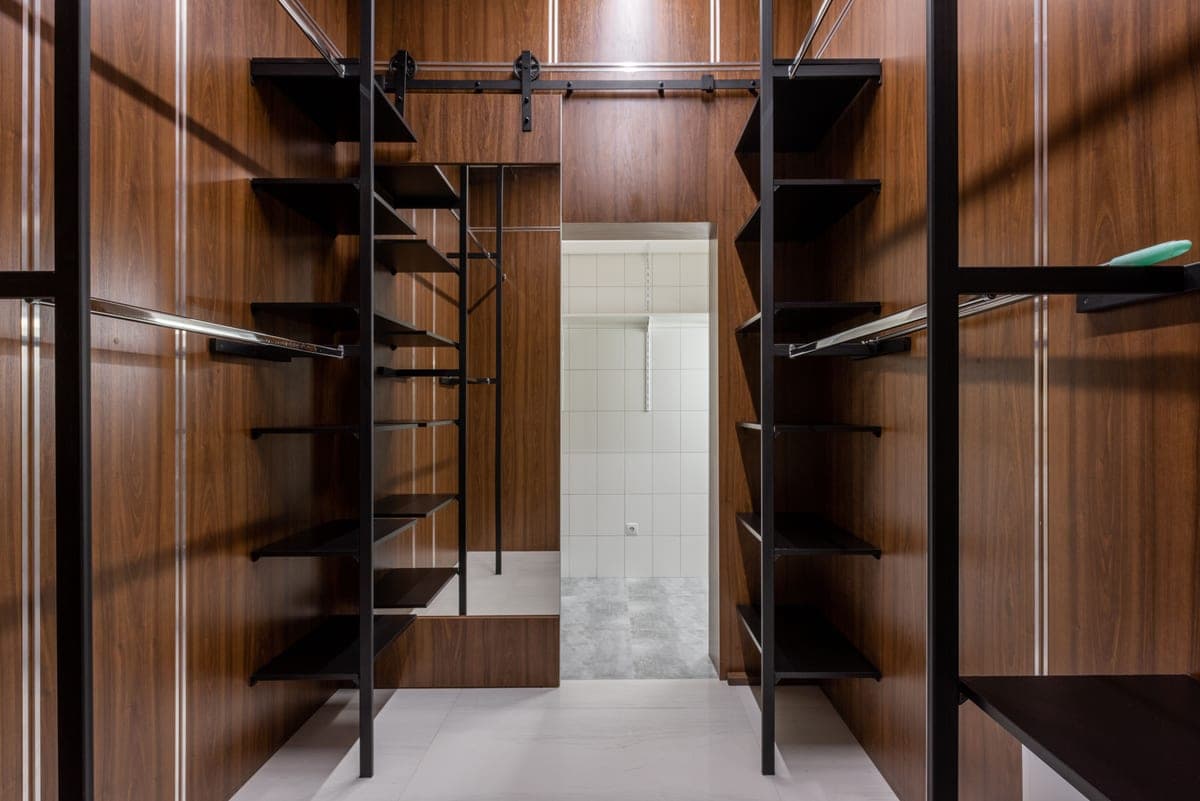
Load behavior, span limits, cost and finish compared, with the published figures behind each material.

Guide
Construction, depth and portability compared across closets, wardrobes, armoires and cabinets, with published PAX depths.
Guide
A garment-by-garment table of what should hang and what should fold, plus the floor area a dresser costs.

Guide
The heights, spans and support spacing for building a simple closet, in the order the work actually happens.

Guide
The rule for what belongs in a drawer versus on a shelf, and what the top and bottom shelves are genuinely for.
04
24 inches for a reach-in. That gives a standard 17 to 18 inch hanger room to sit square on a rod set about 12 inches out from the back wall, with clearance for the door to close over a full rod.
ClosetMaid publishes about 83 lb per bracket and up to 1,000 lb per system, conditional on at least three screws into studs in the hang track and three in the middle standards. Rubbermaid publishes 1,750 lb for a rail that begins and ends on a stud. Elfa publishes 200 kg per section.
No more than 24 inches apart, and no more than 4 inches from the end of the shelf, per ClosetMaid's installation instructions. The end limit matters as much as the spacing — a shelf cantilevering past its last bracket is where the visible droop starts.
12 inches for cans and boxed goods, and 12 to 16 inches for general storage. Past about 16 inches you store food behind food, which is the mechanism by which pantries lose things.
Manufacturers' own installation manuals and specification sheets, plus published dimensional reference data, each named on the page where it is used. Nothing here is a test result, because we do not test — we compile what is published and show the arithmetic.
We do not know, and it is the reason this section exists. Of the ten competitors we surveyed for the money terms in this category, not one leads with dimensions, spans, spacing or load ratings, while search demand for exactly those questions is deep and consistent.
Sources